A serious animal, kept lightly
Guinea pigs were domesticated for meat in the Andes and are still raised that way across South America. We keep them for a different combination: they convert kitchen scraps and forage into manure that can go straight onto beds without burning them, they keep the grass down in places a mower cannot reach, and they are the most reliable way to interest a child in livestock.
A breeding pair and their offspring will produce enough manure for a substantial kitchen garden over a season. Their bedding — straw or paper — goes into the compost with it.
Housing and rotation
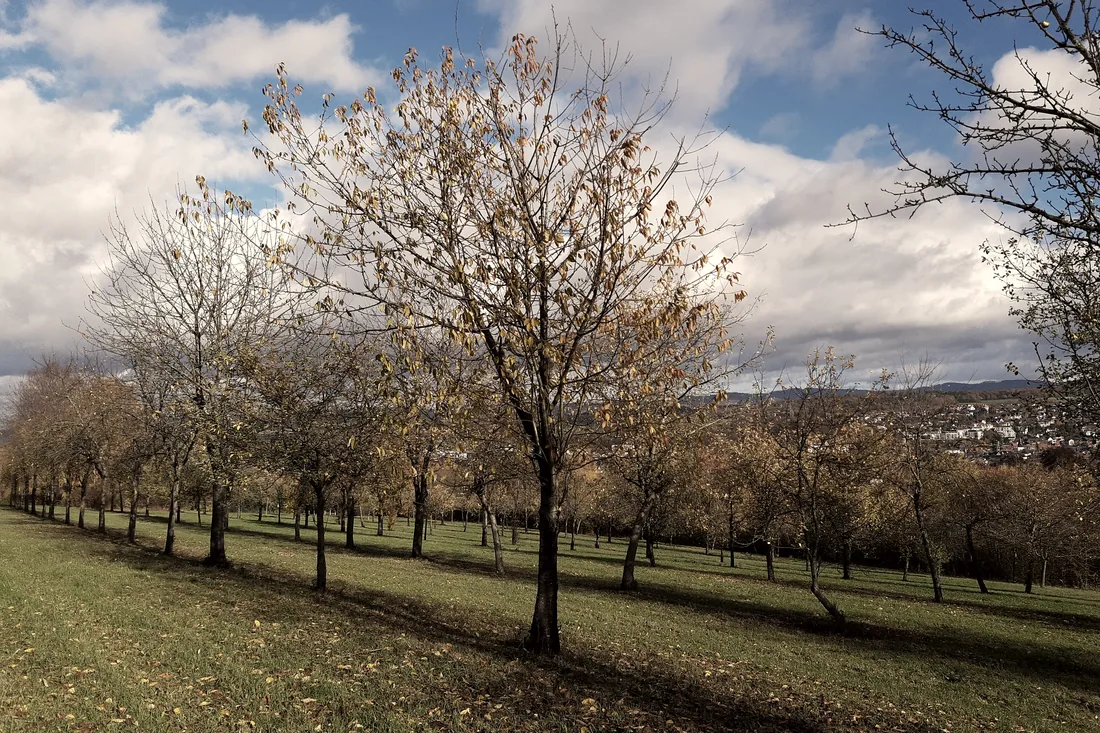
We use bottomless pens moved across the orchard and the garden edges, so the animals graze fresh ground and deposit manure where it is wanted. Predator pressure in this valley is real, so the pens are covered and moved onto fresh ground before the grass is bare.
They are also, unglamorously, good at converting the weeds we pull into the fertilizer we need.
The honest accounting
This is the smallest-scale project we run, and we do not pretend it is a commercial enterprise. It is a closed loop small enough to see all the way around: kitchen scraps in, manure out, no truck involved. That legibility is the point.